What is a laser-assisted upper eyelid correction?
Laser-assisted upper eyelid correction is one of the most modern and advanced techniques in eyelid surgery. It requires a surgical CO2 laser and an eye surgeon specialized in this field, and is therefore only performed in specialized clinics. In this procedure, the eye surgeon removes excess skin and fat from the upper eyelids, just as with classic upper eyelid correction. The difference lies in the instrument: the incision is made with the Mixto, a modern fractional CO2 laser that is also used for skin rejuvenation. The laser beam cuts very precisely and seals small blood vessels immediately during the cut. As a result, the surgeon maintains good visibility of the surgical area and there is usually less blood loss during the procedure.
The difference compared to classic upper eyelid correction
The greatest advantages of laser technology are faster recovery, less tissue damage, and greater precision.
- Faster recovery. Many clients experience a faster recovery than with the classic technique; the swelling and discoloration are often milder. The course remains personal and varies from client to client.
- Less tissue damage. The laser cuts without applying pressure to the tissue and seals small blood vessels directly during the cutting process. As a result, there is usually less blood loss during the procedure and often fewer bruises during early recovery.
- Greater precision. The laser operates with an accuracy of a fraction of a millimeter. The eye surgeon adjusts the laser energy for each client based on the thickness and condition of the skin.
- The same care. The marking, anesthesia, sutures, and aftercare are the same as for a classic upper eyelid correction. Here, too, we remove the sutures six days after the procedure.
The eye surgeon will discuss whether laser technology offers added value in your situation with you during the initial consultation.
How does a laser-assisted upper eyelid correction work?
Who is laser-assisted upper eyelid correction suitable for?
Laser technology is suitable for most clients eligible for upper eyelid correction. It can be a good choice if you desire the most precise procedure possible, if you wish to be presentable again sooner, or if you have previously been prone to bruising. During the consultation, the eye surgeon will assess which technique best suits your eyelids and your wishes.
Recovery and aftercare
Recovery proceeds largely as with a classic upper eyelid correction: cool the eyes, rest, and keep the eyelids dry during the first few days. You can usually resume administrative work after three days; physical work, caregiving, and hospitality work should not be resumed during the first week. Paracetamol is usually not necessary, but you may use it if you wish. You will be given a scar cream when the stitches are removed. The scar will largely lie within the natural eyelid crease and is usually barely noticeable after healing. We are available for you in case of an emergency.
Risks
As with any procedure, temporary symptoms may occur, such as swelling, a pulling sensation, or dry or watery eyes. Rare complications include post-operative bleeding, infection, slight asymmetry, or a more noticeable scar. We will discuss all risks with you during the consultation.
Costs
A laser-assisted upper eyelid correction (both eyes) costs €1,950, including the initial consultation, aftercare, and check-ups. An upper eyelid correction is a cosmetic procedure and is generally not reimbursed; Looks Clinics is a non-contracted healthcare provider, and you pay for the treatment directly. View all rates.
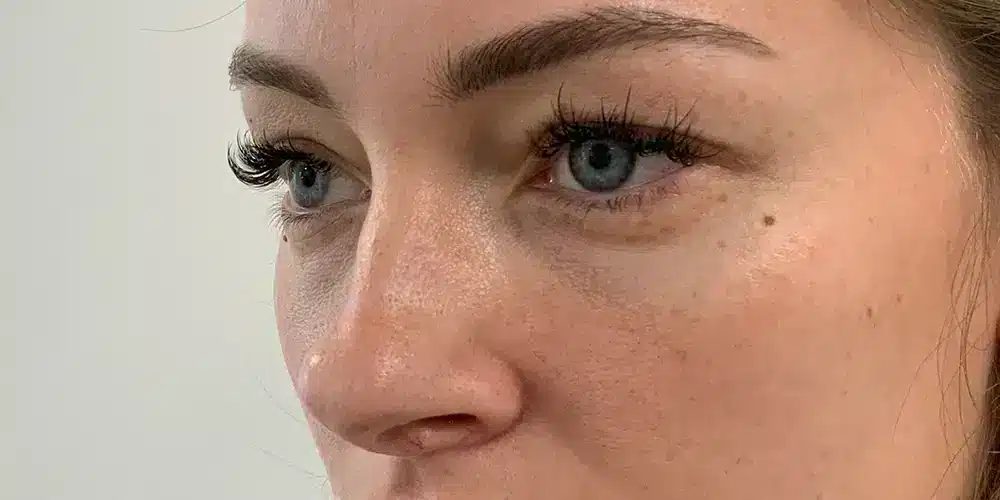
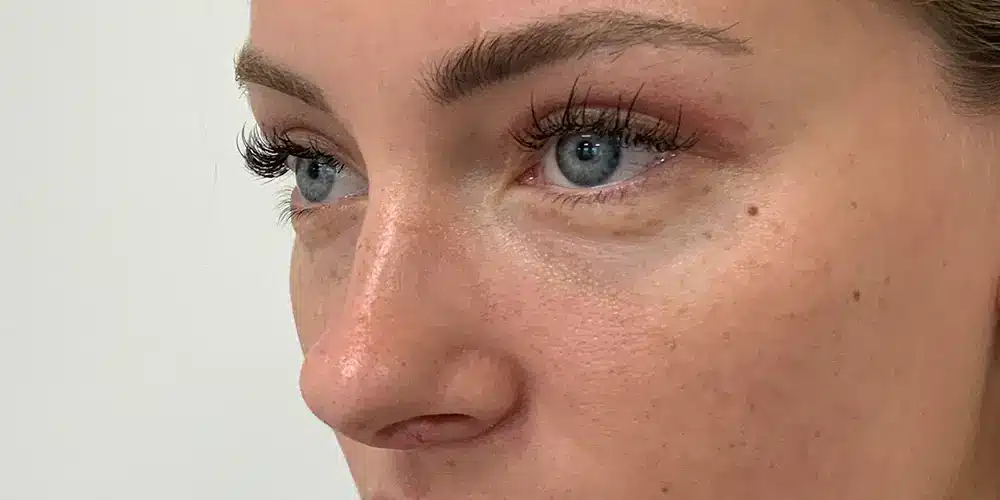
Before
After
Very satisfied with the knowledgeable and friendly staff and doctor and with the result!
I was quite nervous, but everyone was calm and I was put at ease. The procedure and recovery went very smoothly, and the result is fantastic; no more tired, painful forehead and a lovely, open look.
Frequently Asked Questions
The most frequently asked questions about laser-assisted upper eyelid correction. If your question is not listed, we will be happy to answer it during the introductory consultation.
Both techniques lead to the same goal: removing excess skin and fat from the upper eyelids. The laser cuts very precisely, causes less tissue damage, and immediately seals small blood vessels, which generally results in less blood loss and faster recovery. The eye surgeon will discuss which technique is right for you during the consultation.
The procedure is performed under local anesthesia. Administering the anesthetic may be briefly uncomfortable; once the anesthetic has taken effect, you will usually only feel some pressure.
Yes, in two ways. For lower eyelid correction via the inside of the eyelid, the laser is the eye surgeon's instrument. In addition, we offer the CO2 laser skin tightening of the lower eyelids: no surgery, only a skin treatment for fine lines and sagging.
Many clients are presentable again after about ten days; swelling and discoloration are often milder with the laser technique. The final result is visible after about six months.
The result usually lasts for many years; however, natural skin aging continues.
 Suitable?